Understanding Heat Pumps: A Comprehensive Guide
In today's world, energy efficiency and sustainable heating solutions are paramount to homeowners and businesses alike. The wärmepumpe, or heat pump, emerges as a top contender in the quest for eco-friendly and cost-effective heating options. Designed to transfer heat from one location to another, these systems have gained traction for their ability to reduce energy consumption and lower heating costs. This article will delve deep into the mechanics, benefits, and buying considerations of heat pumps to assist you in making an informed decision whether you’re looking to wärmepumpe kaufen or simply exploring options.
What is a Wärmepumpe and How Does it Work?
A Wärmepumpe is a versatile heating and cooling system that can be employed in various settings, from residential homes to commercial buildings. At its core, a heat pump operates by transferring heat from a source (air, ground, or water) to provide warmth in winter, and it can reverse the process to offer cooling during summer months. This dual functionality makes heat pumps an attractive option for year-round climate control.
Heat pumps utilize a refrigeration cycle, similar to an air conditioning unit. They contain four primary components: the evaporator, compressor, condenser, and expansion valve. The refrigerant within the system absorbs heat from its source and evaporates into gas. The compressor then increases the pressure and temperature, allowing the gas to release heat when it reaches the condenser. The expansion valve regulates its flow, allowing the cycle to repeat efficiently. This constant movement of heat is what enables a Wärmepumpe to operate effectively and economically.
Types of Wärmepumpen: Which One Should You Choose?
Choosing the right type of Wärmepumpe is crucial for maximizing efficiency and comfort. The most common types include:
- Air-to-Air Wärmepumpe: Draws heat from the outside air and transfers it indoors. Ideal for moderate climates.
- Air-to-Water Wärmepumpe: Efficiently heats water for domestic hot water or underfloor heating.
- Ground Source Wärmepumpe: Utilizes the stable temperatures of the earth, making it highly efficient but often requiring more initial investment for installation.
- Water Source Wärmepumpe: Uses bodies of water as a heat source, offering high efficiency when accessible.
Your choice will depend on factors like local climate, available space, and your heating needs.
Key Benefits of Buying a Wärmepumpe for Your Home
Investing in a Wärmepumpe comes with numerous benefits, including:
- Energy Efficiency: Heat pumps can be up to three to five times more efficient than traditional heating systems, significantly lowering your energy bills.
- Environmentally Friendly: By using renewable energy sources, Wärmepumpen help reduce greenhouse gas emissions.
- Year-Round Comfort: With heating and cooling capabilities, they provide consistent comfort throughout the year.
- Low Maintenance Costs: Compared to conventional heating systems, Wärmepumpen typically require less maintenance, further reducing long-term costs.
Cost Considerations When Buying a Wärmepumpe
What are the Initial Investments for a Wärmepumpe?
The initial cost of purchasing and installing a Wärmepumpe can vary widely, influenced by factors like the type of system, the size of the installation, and regional costs. On average, homeowners can expect to pay between €15,000 and €30,000 for a complete Wärmepumpe system, including installation. While this might seem steep, it's essential to consider that the investment leads to long-term savings on energy bills.
Operating Costs: Understanding Energy Consumption
In addition to the initial costs, it's vital to understand the operating expenses associated with a Wärmepumpe. These systems typically have lower running costs compared to conventional heating solutions. The efficiency is often expressed as the Coefficient of Performance (COP), which indicates the ratio of heating output to energy input. A higher COP means lower operating costs, making it an essential factor to consider during your purchase.
Government Subsidies and Incentives for Wärmepumpen in 2026
As governments worldwide strive to promote energy efficiency, various subsidies and incentives are available for those looking to invest in Wärmepumpen. In 2026, many homeowners can benefit from financial assistance, tax credits, or rebates, which can significantly offset the purchase price. It's crucial to research local programs and consult professionals to see what options are available to reduce your overall investment.
Installation Insights: Best Practices for a Successful Setup
Choosing the Right Location for Your Wärmepumpe
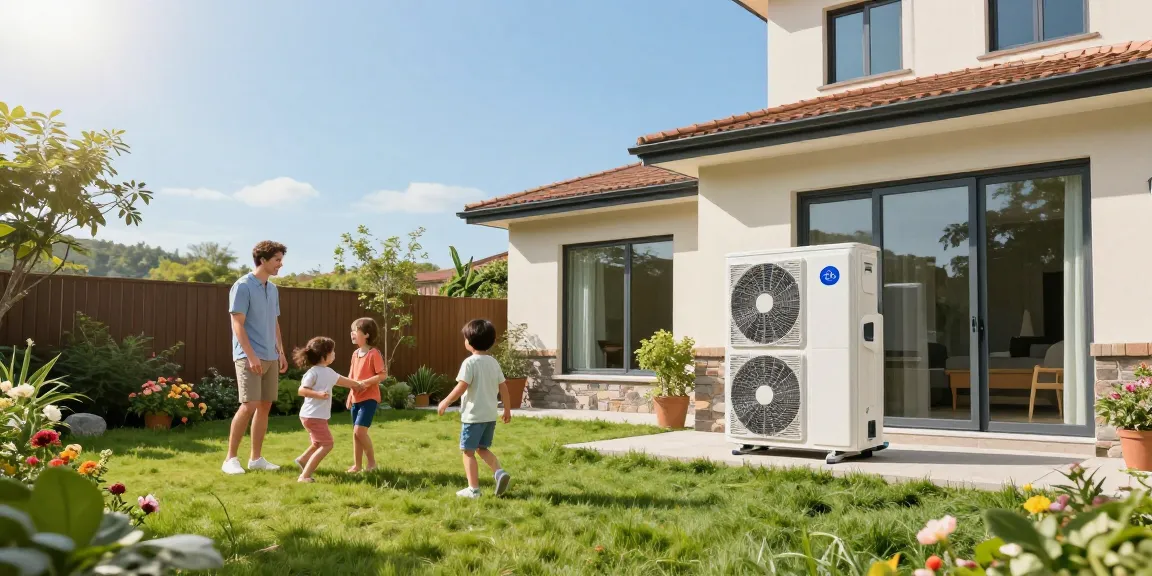
The installation location of your Wärmepumpe plays a crucial role in its efficiency and effectiveness. For air-source models, ensure that the outdoor unit is placed in an unobstructed area to allow for maximum airflow. In the case of ground-source systems, proper excavation is necessary to access the earth's thermal energy efficiently. Planning the location with professional input ensures optimal performance and reduces future operational challenges.
Hiring Qualified Professionals for Installation
Proper installation of a Wärmepumpe is vital to its performance and longevity. It's advisable to hire qualified professionals with experience in HVAC and refrigeration systems. A certified contractor will ensure that all components are installed according to local codes and manufacturer specifications, providing peace of mind and optimizing efficiency.
Common Mistakes to Avoid During Installation
Avoiding common pitfalls during the installation of your Wärmepumpe can save time and money. Key mistakes include:
- Incorrect sizing of the system for your space, leading to inefficiency.
- Neglecting to follow proper installation protocols, causing operational issues.
- Overlooking necessary permits or inspections, which could lead to fines.
Consulting with experts and conducting thorough research before installation can help circumvent these issues.
Maximizing Efficiency: How to Maintain Your Wärmepumpe
Regular Maintenance Tips for Optimal Performance
To ensure the longevity and efficiency of your Wärmepumpe, regular maintenance is essential. Simple tasks include:
- Cleaning or replacing air filters every few months.
- Inspecting the outdoor unit for debris and ensuring clear airflow around it.
- Scheduling annual professional maintenance checks to identify any potential issues early.
Signs Your Wärmepumpe Needs Repair
Being aware of the warning signs that your Wärmepumpe may need repair can prevent further damage and costly repairs. Common indicators include:
- Unusual noises coming from the unit.
- Inconsistent heating or cooling performance.
- Increased energy bills without a change in usage.
Enhancing Efficiency with Additional Home Insulation
Improving your home's insulation is another effective way to enhance the efficiency of your Wärmepumpe. Adequate insulation reduces the demand on your heating system, leading to lower energy consumption and improved comfort levels. Focus on areas like attics, walls, and floors to ensure that your home retains heat effectively.
Future Trends in Wärmepump Technology for 2026 and Beyond
Innovations in Wärmepump Systems
As technology advances, Wärmepumpen are becoming increasingly sophisticated. Innovations in inverter technology allow for variable speed compressors that adjust to the heating demands of your home, enhancing both efficiency and comfort. Furthermore, integration with renewable energy sources, such as solar panels, is becoming more common, creating a sustainable energy ecosystem within homes.
How Smart Technology is Transforming Energy Efficiency
The integration of smart technology in heat pumps allows for remote monitoring and control through mobile applications. Homeowners can adjust settings, monitor energy consumption, and schedule operations, leading to enhanced convenience and further energy savings. This technology is paving the way for smarter and more responsive heating and cooling solutions.
The Impact of Climate Change on Wärmepump Development
Climate change is driving the development of more efficient and resilient Wärmepumpen. Manufacturers are increasingly focused on adapting systems to work effectively in extreme temperature conditions, ensuring that these technologies are not only viable but essential in the face of global climate challenges. Future models will prioritize environmental sustainability while maintaining economic efficiency.
What are the environmental benefits of installing a Wärmepumpe?
Installing a Wärmepumpe offers numerous environmental benefits. They utilize renewable energy sources, which significantly reduce carbon emissions compared to traditional fossil fuel heating systems. Using a Wärmepumpe contributes to lower overall energy consumption and promotes sustainability within your community.
How does a Wärmepumpe compare with traditional heating systems?
When comparing Wärmepumpen to traditional heating systems, the former offer superior efficiency, lower operational costs, and a smaller carbon footprint. While conventional systems often rely on burning fossil fuels, heat pumps use electricity (often generated from renewable sources), making them a more sustainable option.
Are Wärmepumpen suitable for all types of homes?
Wärmepumpen can be adapted to suit various home types, but factors such as insulation quality, local climate, and available space must be considered. For example, ground-source systems require sufficient land for installation, while air-source systems are more versatile but less efficient in extreme cold climates.
What should I consider when choosing a Wärmepumpe brand?
Choosing a reputable brand is crucial for quality and reliability. Consider factors like warranty offerings, customer service, and product reviews. Established brands often invest more in research and development, leading to superior technology and performance.
How can I finance my Wärmepumpe purchase?
Financing options for your Wärmepumpe purchase vary. Many homeowners utilize personal loans, home equity loans, or specific financing programs offered by manufacturers or local governments. Understanding your financing options is key to making your investment manageable.