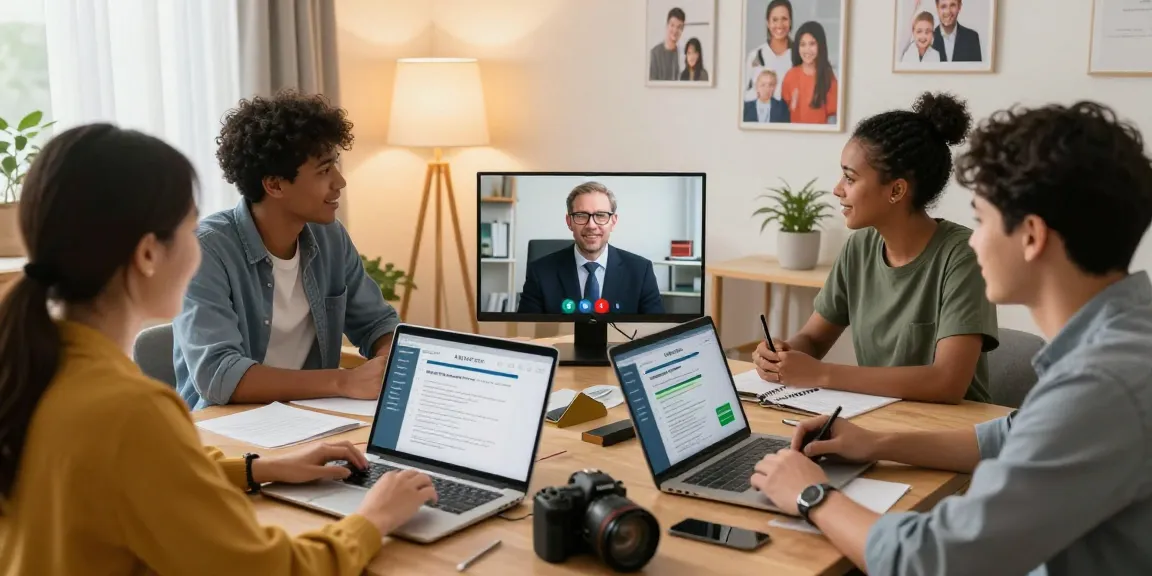
Understanding Team Collaboration Dynamics
In today's fast-paced business environment, understanding the dynamics of team collaboration is more crucial than ever. As teams become increasingly diverse and dispersed, the ability to collaborate effectively can significantly impact productivity, innovation, and overall success. This article will explore the fundamental aspects of team collaboration, including its definition, importance, common barriers, and strategies to enhance it. For deeper insights into collaboration practices, resources like https://bestrc.org can be invaluable.
What is Team Collaboration?
Team collaboration refers to the process where members of a group work together to achieve a common goal. This involves sharing knowledge, skills, and resources while effectively communicating. Collaboration can occur in-person or remotely and can encompass a variety of activities, from brainstorming sessions to project management. The essence of team collaboration is that it combines individual talents and efforts, fostering an environment where collective success is prioritized.
Importance of Effective Communication
Effective communication is the backbone of successful collaboration. It ensures that all team members are aligned with their goals, understand their roles, and can contribute meaningfully. In a collaborative environment, clear communication can prevent misunderstandings, reduce conflict, and enhance productivity. Moreover, fostering an open dialogue encourages feedback, which is essential for continuous improvement.
Common Barriers to Team Collaboration
Despite the benefits, teams often face barriers that hinder effective collaboration. Some common obstacles include:
- Lack of Trust: Team members may hesitate to share ideas or take risks if they do not trust one another.
- Miscommunication: Poor communication channels can lead to confusion and errors.
- Diverse Work Styles: Differing approaches to work can create friction and inefficiency.
- Technology Challenges: Issues with collaboration tools can impede teamwork, particularly in remote settings.
Key Strategies for Enhancing Team Collaboration
Enhancing team collaboration requires a proactive approach that includes the use of appropriate technologies, fostering a collaborative culture, and setting clear objectives. Below are some strategies that organizations can implement to improve teamwork.
Utilizing Technology for Better Communication
Technology plays a pivotal role in facilitating effective communication among team members, especially in a hybrid or remote work environment. Utilizing collaboration tools designed for real-time communication, file sharing, and project management can streamline work processes. Tools such as Slack, Microsoft Teams, and Asana can bridge the gap between team members, allowing for seamless interactions and project tracking.
Creating a Collaborative Culture
Establishing a culture that values collaboration is essential for fostering teamwork. This can be achieved by promoting values such as openness, respect, and accountability. Organizations should encourage team-building activities that help strengthen relationships and build trust. Celebrating team successes and recognizing individual contributions also play a critical role in cultivating a sense of belonging and collaboration.
Setting Clear Goals and Objectives
To drive effective collaboration, it is vital to set clear, measurable goals and objectives. Teams should understand what they are working towards and how their individual roles contribute to the larger mission. SMART (Specific, Measurable, Achievable, Relevant, Time-bound) goals can provide a structured framework that helps teams stay focused and aligned.
Tools and Resources for Successful Collaboration
In the modern workplace, various tools and resources can facilitate successful collaboration among team members. Utilizing the right software can significantly impact the efficiency of teamwork.
Collaboration Software Programs
Collaboration software programs serve as a central hub for teams to communicate, share files, and manage tasks. Popular options include Trello for task management, Google Workspace for document collaboration, and Zoom for virtual meetings. The choice of software should align with the team’s needs and workflow to maximize effectiveness.
Project Management Platforms
Project management platforms like Monday.com and Jira are vital for keeping teams organized and on track. These tools allow teams to assign tasks, set deadlines, and monitor progress, ensuring accountability and clarity. By visually representing project timelines, these platforms help teams stay informed and engaged.
Virtual Meeting Tools
As remote work continues to rise, virtual meeting tools such as Zoom, Microsoft Teams, and Cisco Webex have become essential for maintaining team communication. These platforms allow for video conferencing, screen sharing, and collaborative presentations, making it easier to connect regardless of geographical barriers.
Measuring Team Collaboration Effectiveness
To enhance collaboration, organizations must evaluate its effectiveness regularly. Measuring collaboration helps identify strengths and areas for improvement.
Key Performance Indicators to Track
Key Performance Indicators (KPIs) can provide insights into the effectiveness of team collaboration. Some important KPIs to consider include:
- Team productivity and performance metrics
- Rate of project completion and adherence to deadlines
- Quality of work and outcomes
- Employee engagement and satisfaction levels
Gathering Feedback from Team Members
Regular feedback from team members is essential for measuring collaboration effectiveness. Surveys and one-on-one meetings can provide valuable insights into team dynamics and communication effectiveness. Implementing an open feedback culture encourages continuous improvement and allows teams to adapt their collaboration strategies as needed.
Adjusting Strategies Based on Results
After analyzing performance metrics and feedback, organizations should be prepared to adjust their collaboration strategies. This may involve refining communication processes, providing additional training, or investing in new tools that better suit the team’s needs. Flexibility and adaptability are key to maintaining effective collaboration over time.
Future Trends in Team Collaboration for 2026
As the workplace continues to evolve, several trends are shaping the future of team collaboration. Understanding these trends can help organizations stay ahead and foster effective teamwork.
Remote Work and Hybrid Models
The shift towards remote work is likely to continue, with many organizations adopting hybrid models that combine in-office and remote work. This trend emphasizes the need for robust collaboration tools and strategies that ensure all team members, regardless of location, can contribute effectively.
AI and Automation in Collaboration Tools
Artificial intelligence (AI) and automation are becoming increasingly integrated into collaboration tools. These technologies can streamline workflows, automate routine tasks, and enhance communication. For example, AI-powered chatbots can facilitate immediate responses to common queries, freeing up time for team members to focus on more complex tasks.
Cultural Shifts in Team Dynamics
As workplaces become more diverse and inclusive, cultural shifts in team dynamics are expected to influence collaboration practices. Organizations should invest in training programs that promote cultural competence and awareness. Emphasizing diversity not only enhances team collaboration but also drives creativity and innovation.
What are the benefits of team collaboration?
Effective team collaboration offers numerous benefits, including enhanced creativity, improved problem-solving, increased efficiency, and stronger relationships among team members. When teams collaborate effectively, they can leverage diverse perspectives, leading to more innovative solutions.
How can companies measure collaboration success?
Companies can measure collaboration success by tracking KPIs, gathering feedback, and assessing project outcomes. Monitoring these factors provides a comprehensive view of collaboration effectiveness and helps identify areas for improvement.
What tools enhance remote team collaboration?
Tools such as Slack, Zoom, Trello, and Google Workspace are instrumental in enhancing remote team collaboration. They provide communication, project management, and file-sharing capabilities that facilitate teamwork, regardless of location.
What are the challenges in team collaboration?
Challenges in team collaboration can include miscommunication, lack of trust, differing work styles, and technology issues. Addressing these challenges requires proactive strategies and a commitment to fostering a collaborative environment.
How to create a collaborative workplace culture?
Creating a collaborative workplace culture involves promoting open communication, building trust among team members, recognizing contributions, and encouraging teamwork. Organizations should prioritize team-building activities and provide the necessary resources to support collaboration.