
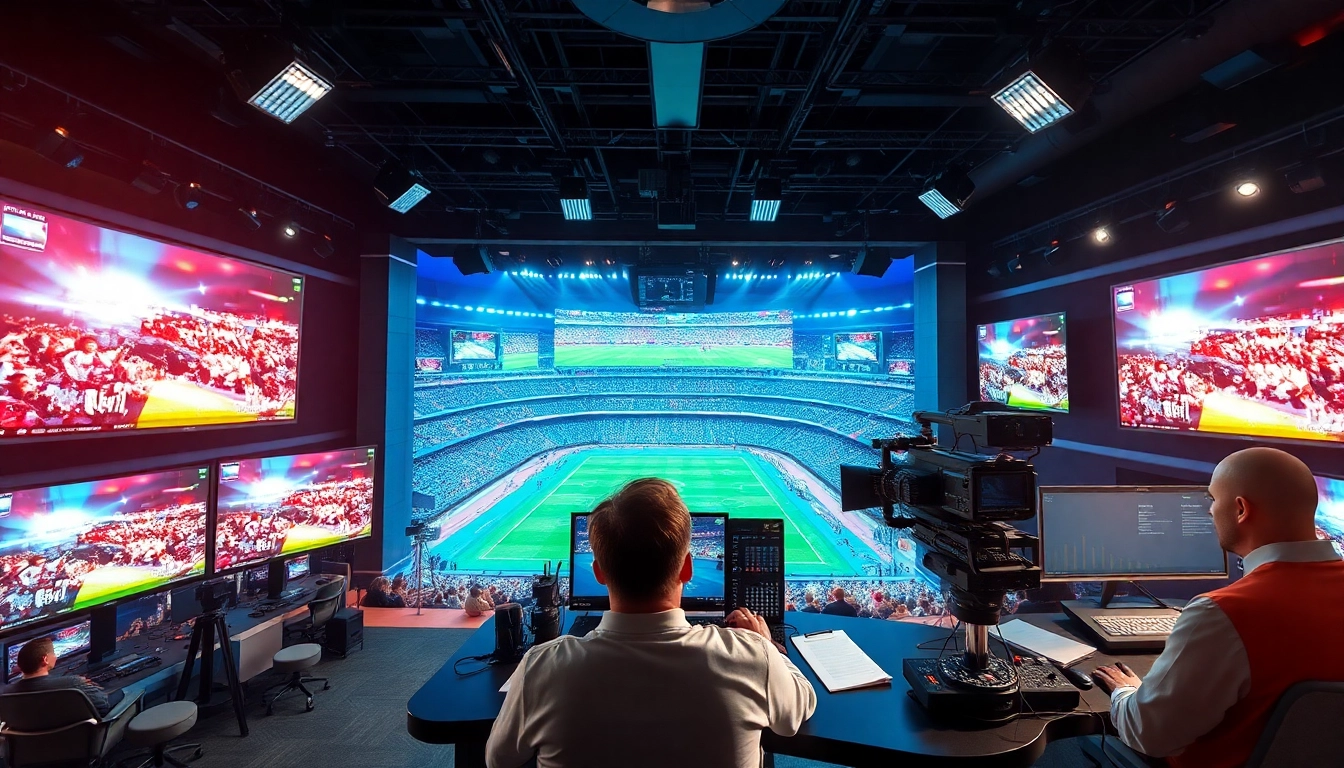
Understanding Sports Broadcasting
What is Sports Broadcasting?
Sports broadcasting refers to the distribution of sports-related content through various media platforms including television, radio, and online streaming services. This industry plays a crucial role in bringing live sporting events to millions of viewers worldwide. It encompasses a range of activities such as play-by-play commentary, analysis, and post-event coverage. With the rise of digital technologies, Sports Broadcasting has evolved significantly, changing how audiences engage with their favorite sports.
History and Evolution of Sports Broadcasting
The roots of sports broadcasting can be traced back to the early 20th century, with radio broadcasts of significant sporting events. The first-ever broadcast of a live sporting event occurred in 1921 when a baseball game between the Pirates and the Phillies was aired on the radio. As television technology advanced, the 1950s saw a surge in televised sports, revolutionizing how fans experienced games.
By the 1980s, cable networks began to dominate, offering a wider array of sports content. The introduction of 24-hour sports news channels in the 1990s marked a significant milestone, allowing fans to access sports coverage anytime. In the 21st century, the emergence of the internet and mobile technology further transformed sports broadcasting, introducing streaming services and social media platforms, which have made sports content more accessible than ever before.
The Role of Technology in Sports Broadcasting
Technology plays a pivotal role in modern sports broadcasting. From high-definition video cameras to advanced graphics software, innovations have enhanced the viewer’s experience. Technologies like instant replay and slow-motion analysis have redefined how audiences understand the game, allowing for in-depth analysis of critical moments.
Additionally, the integration of augmented reality (AR) and virtual reality (VR) into broadcasts is creating immersive experiences for viewers, making them feel as if they are part of the action. Live data analytics are also being utilized to enhance commentary, providing real-time statistics and insights during broadcasts.
Key Components of Effective Sports Broadcasting
Essential Equipment for Sports Broadcasting
Effective sports broadcasting relies on various equipment designed to capture and deliver high-quality audio and video. Key components include:
- Cameras: High-definition cameras are essential for capturing every angle of live events. Multiple camera setups help provide comprehensive coverage.
- Microphones: Quality microphones are crucial for clear audio, whether capturing commentary or the live sounds of the game.
- Broadcast Consoles: These enable audio mixing, video switching, and graphics integration to create a seamless viewing experience.
- Transmission Equipment: Reliable transmission technology, including satellites and IP networks, ensures content reaches audiences without interruption.
Understanding Broadcasting Formats
Different broadcasting formats cater to varying audience preferences and technological capabilities. The two primary formats are:
- Linear Broadcasting: This traditional format involves scheduled programming on television networks, where viewers must tune in at specific times.
- On-Demand Streaming: This format allows viewers to watch sports content whenever they choose, leading to an increase in content consumption and engagement.
Understanding these formats helps broadcasters tailor their content delivery to meet audience demands effectively.
Live versus Pre-recorded Sports Broadcasting
A key decision in sports broadcasting is whether to air events live or present pre-recorded content. Each has its advantages:
- Live Broadcasting: Offers real-time excitement and engagement, capturing the thrill of the moment and ensuring that viewers experience events as they unfold.
- Pre-recorded Broadcasting: Provides the opportunity to edit content for quality and depth, adding expert analysis and highlights that may enhance viewer understanding and enjoyment.
Ultimately, the choice between live and pre-recorded broadcasting depends on the event’s nature, audience expectations, and the broadcaster’s resources.
Strategies for Engaging Viewers
Creating Compelling Content in Sports Broadcasting
Creating compelling content is vital for engaging viewers. Broadcasters should focus on storytelling that highlights the human element of sports, including athlete backgrounds, rivalries, and the stakes involved in each event. Combining commentary with visual storytelling—through graphics, highlights, and interviews—can enhance viewer engagement significantly. Moreover, integrating fan involvement, such as polls or live chats during broadcasts, fosters a sense of community and interaction.
Utilizing Social Media for Promotion
Social media is a powerful tool for sports broadcasting, offering unparalleled opportunities for engagement and promotion. Broadcasters can leverage platforms like Twitter, Instagram, and Facebook to share live updates, behind-the-scenes content, and athlete interactions, thus driving viewership. Engaging fans through social media contests or interactive content encourages sharing and discussion, ultimately amplifying reach and visibility.
Interactive Features to Enhance Viewer Experience
Incorporating interactive features into broadcasts can significantly enhance viewer experience. Options such as live polls, Q&A sessions with commentators, and viewer-driven content choices allow fans to contribute directly to the broadcast. Additionally, integrating augmented reality elements and providing multiple viewing angles can engage tech-savvy audiences, making broadcasts more immersive and participatory.
Challenges in Sports Broadcasting
Dealing with Technical Difficulties
Technical difficulties are an inevitable challenge in sports broadcasting. Interruptions in video or audio quality can detract from the viewer experience. To mitigate this, broadcasters should invest in high-quality equipment and conduct regular maintenance checks. Moreover, having contingency plans, such as backup systems and trained personnel, can ensure minimal disruptions during live broadcasts.
Ensuring Fair Play and Ethics in Broadcasting
Maintaining ethical standards in sports broadcasting is crucial. This includes respecting athlete privacy, avoiding bias in commentary, and ensuring accurate reporting. Broadcasters must also be mindful of issues such as the portrayal of athletes from marginalized communities and strive for diversity in coverage. Establishing ethical guidelines and providing training for staff on these issues can promote fairness and integrity in sports journalism.
Navigating Regulatory Compliance
Regulatory compliance in sports broadcasting involves adhering to laws governing copyright, licensing, and broadcasting rights. Failing to comply can result in significant penalties and damage to reputation. Broadcasters should stay informed about the legal landscape and ensure that all content, especially live broadcasts, complies with relevant laws and agreements. Collaborating with legal experts can aid broadcasters in navigating these complexities.
The Future of Sports Broadcasting
Trends Shaping Sports Broadcasting
The sports broadcasting landscape is continuously evolving, driven by trends such as personalization of content and the integration of artificial intelligence. Broadcasters are increasingly focusing on tailoring content to individual viewer preferences, enhancing engagement and satisfaction. Moreover, advancements in data analytics enable broadcasters to gain insights into viewer behavior, allowing for smarter programming and marketing strategies.
The Rise of Streaming Services in Sports Broadcasting
Streaming services are reshaping how audiences consume sports content. With the ability to watch events on-demand across various devices, consumers have more control over their viewing experience. This trend has driven traditional broadcasters to adapt by creating their own streaming platforms or partnering with existing services to ensure they reach audiences effectively. The flexibility and accessibility offered by streaming platforms are now critical for capturing the attention of younger demographics.
Future Technologies Impacting Sports Broadcasting
Looking ahead, technologies like 5G, augmented reality, and advanced data analytics will significantly impact sports broadcasting. 5G networks will facilitate faster, more reliable broadcasts, enhancing the viewer experience, particularly for mobile users. Augmented reality will allow for more immersive content, such as interactive highlights overlays during live events. As broadcasters embrace these technologies, they will need to remain vigilant about adapting their strategies to harness the full potential these innovations offer.
Frequently Asked Questions
What is sports broadcasting?
Sports broadcasting is the distribution of sports events and related content through various media, including television, radio, and online platforms.
How has technology affected sports broadcasting?
Technology has advanced sports broadcasting through high-definition video, instant replay systems, and interactive features that enrich viewer experiences.
What are the challenges faced in sports broadcasting?
Challenges include dealing with technical difficulties, ensuring ethical reporting, and navigating regulatory compliance in a fast-evolving landscape.
What role does social media play in sports broadcasting?
Social media promotes sports broadcasts, engages fans, and provides platforms for interaction, enhancing the overall viewing experience.
What is the future of sports broadcasting?
The future includes trends like personalized content, streaming service dominance, and the integration of advanced technologies such as AR and 5G.